
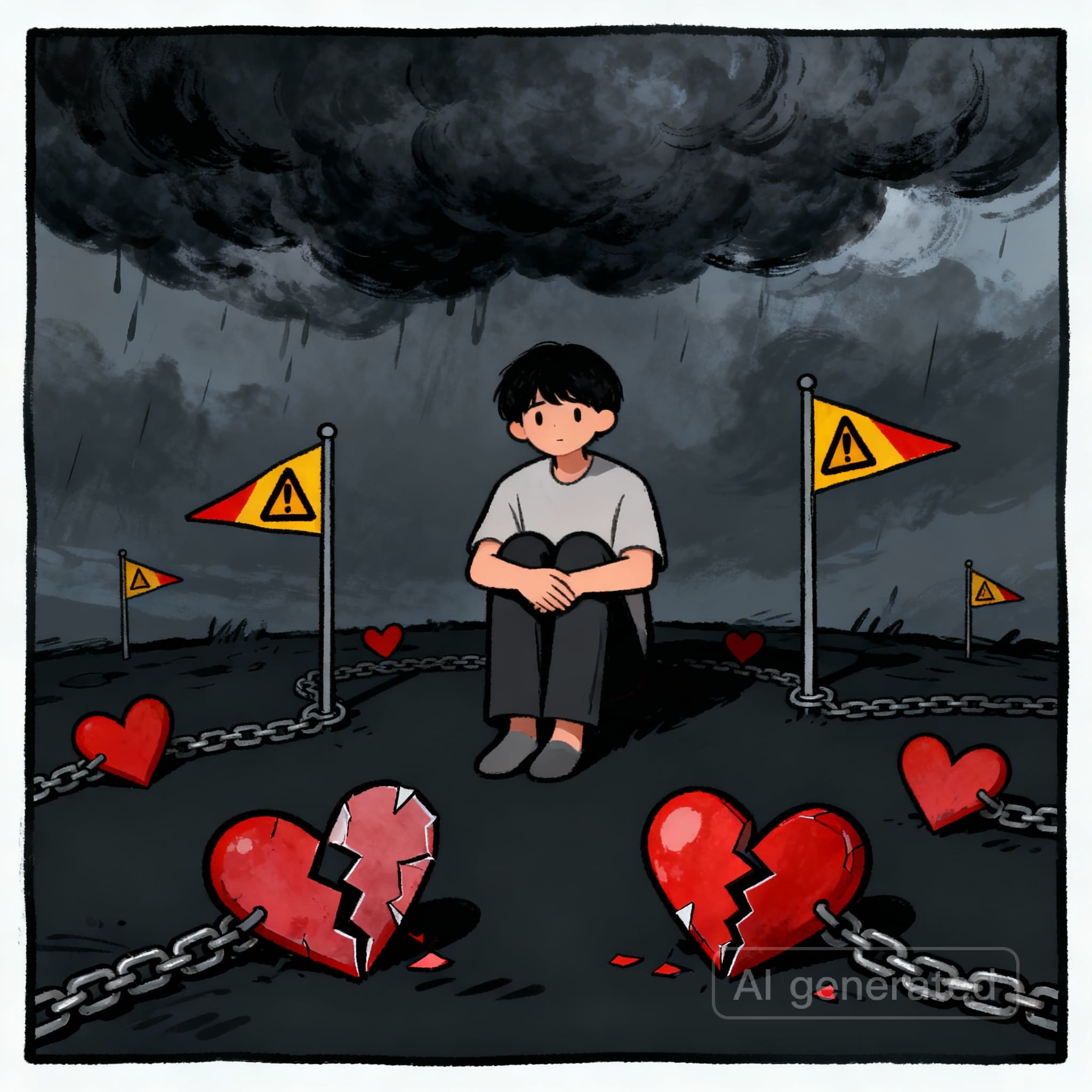
Are You in a Toxic Relationship? Here’s How to Tell
Relationships are meant to add joy, support, and companionship to life. But sometimes, they become draining, upsetting, and hurtful. If you often leave interactions feeling worse rather than better, you might be in a toxic relationship. Recognizing this is the first step toward protecting your well-being.
What Is a Toxic Relationship?
A toxic relationship is one where the behavior or dynamics between partners, friends, or family members harms your emotional and psychological health. It can feel like walking on eggshells, constant criticism, or feeling controlled and isolated.
Common Signs You May Be in a Toxic Relationship
You always feel guilty but can’t pinpoint why. Your partner makes you feel at fault nonstop, even when unsure what for.
Obsessive jealousy and control. Excessive monitoring of your time, texts, or who you spend time with signals possessiveness.
It’s always your fault. If your partner blames you for every problem, it’s a red flag.
Lack of support or encouragement. Your accomplishments are dismissed or belittled.
Emotional manipulation. You might be guilt-tripped, gaslighted, or threatened to manage your behavior.
You feel disrespected or unsafe. Constant criticism, public humiliation, or fear of triggering anger shows toxicity.
Isolation from family and friends. Toxic partners often cut off your support network to make you dependent.
Your self-esteem is declining. Feeling worthless or doubting yourself because of the relationship.
Why It Matters
Staying in toxic relationships harms your mental health—causing anxiety, depression, and stress. It’s hard to grow or feel happy when you’re constantly drained or fearful.
What Can You Do?
Acknowledge the signs. Awareness is the key to change.
Set boundaries and communicate your needs clearly.
Seek support from friends, family, or professionals.
Consider counseling or therapy to navigate your options safely.
Prioritize your safety—in cases of abuse, get help immediately.
No one deserves to feel trapped, controlled, or emotionally drained by someone they care about. Recognizing toxic patterns helps you regain control and make healthier choices for your happiness and growth.
