
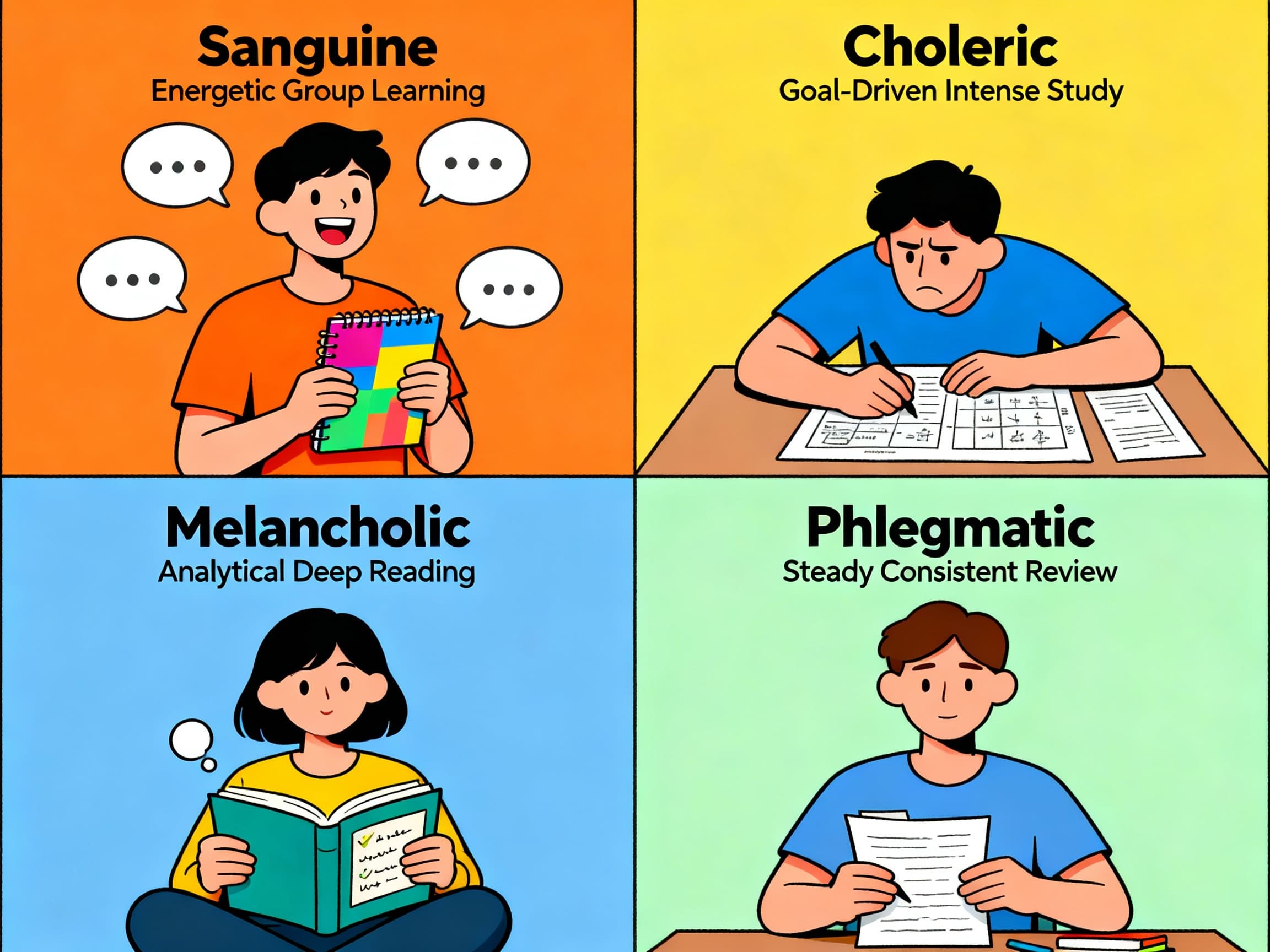
How Different Personality Types Approach Learning and Development
Professional growth looks remarkably different depending on personality type, affecting how people engage with training, feedback, and skill development.
Sanguines: Experience-Based Learners
Colorful Creatives learn best through interactive, engaging experiences. They thrive in workshops with group activities, role-playing, and hands-on practice. Traditional lectures bore them quickly unless the instructor is entertaining. They love learning through stories, games, and social interaction.
Sanguines jump enthusiastically into new training programs but may struggle with completion, especially if the material becomes repetitive or requires sustained focus. They prefer variety—multiple short learning modules over lengthy deep dives. Feedback needs to be delivered positively and personally; harsh criticism deflates them quickly.
They respond well to public recognition of progress and learning achievements. Their learning superpower is making connections with diverse people and gathering insights through conversation. They need accountability structures to ensure follow-through and may benefit from learning buddies who keep them on track.
Cholerics: Goal-Oriented Skill Acquisition
Accomplishers approach learning strategically, asking "How will this help me achieve my goals?" They want practical, applicable knowledge that produces measurable results. They're impatient with theory unless its practical application is immediately clear.
Cholerics prefer self-directed learning where they control pace and focus, often reading extensively or taking online courses they can complete quickly. They're competitive learners, motivated by certifications, rankings, and measurable progress. Feedback is valued if it's direct, specific, and actionable—they don't want sugar-coating.
They may skip fundamentals to get to advanced material faster, sometimes creating knowledge gaps. Their learning strength is rapid acquisition of skills needed for current challenges. They need reminders to slow down occasionally, master fundamentals thoroughly, and develop "soft skills" they might dismiss as less important than technical competencies.
Melancholies: Deep, Systematic Study
Analytical Perfectionists are natural students who love learning for its own sake. They prefer structured, comprehensive programs that cover topics thoroughly and systematically. They excel with textbooks, detailed documentation, and courses with clear progression from foundational to advanced concepts.
Melancholies take extensive notes, create detailed study systems, and often exceed minimum requirements. They want to understand "why" behind every "how," seeking deep comprehension rather than surface knowledge. They're conscientious about assignments and uncomfortable submitting work that doesn't meet their high standards.
Feedback is taken seriously—perhaps too seriously, as criticism can be internalized and create discouragement. Their learning superpower is thorough mastery and ability to see connections between concepts others miss. They need encouragement to act on knowledge before feeling 100% ready and to accept that real-world application involves learning from mistakes.
Phlegmatics: Steady, Patient Learners
Harmonizers approach learning calmly and consistently, without the extremes of enthusiasm or anxiety other types display. They learn well through observation, watching experts before attempting tasks themselves. They prefer low-pressure learning environments with patient instructors who don't rush.
Phlegmatics are comfortable with gradual progress and aren't driven by competitive impulses or urgent timelines. They absorb information steadily but may not volunteer to demonstrate new skills until they feel completely confident. Feedback needs to be delivered gently and privately; public criticism is particularly uncomfortable for them.
Their learning strength is retention—they may learn slower initially but remember thoroughly and apply consistently. They're excellent at teaching others because of their patience and ability to break down concepts. They need encouragement to step outside comfort zones, try new approaches, and accept that some learning requires productive discomfort.
