
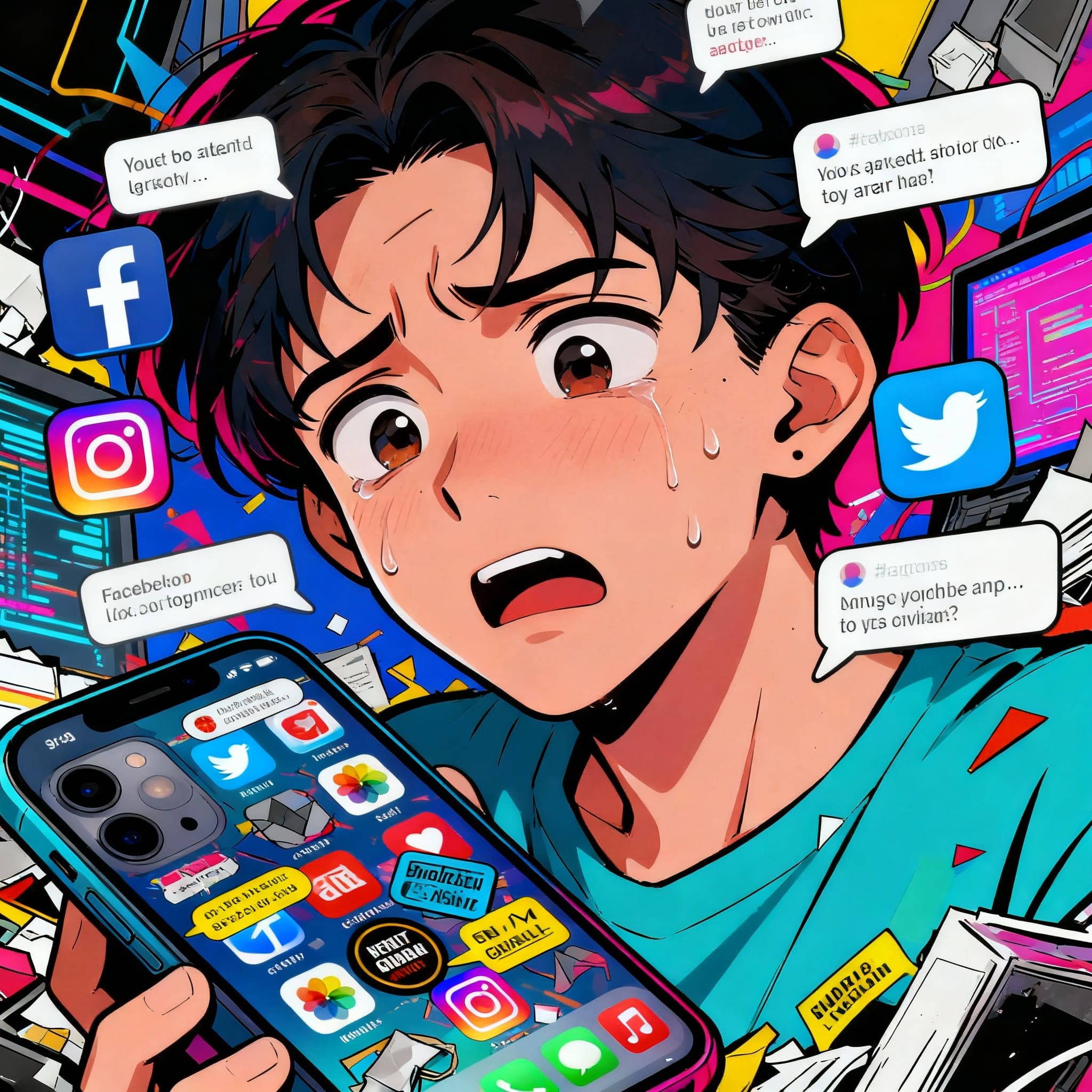
How Social Media Garbage Hooks Your Mind
Social media platforms like TikTok, Instagram, Facebook, and YouTube fill our days with endless streams of posts, videos, and ads. But behind the fun and connection lies a hidden trap many fall into—the addictive garbage of social media. It keeps you hooked, often draining your time, energy, and even mental health.
Why Is Social Media So Addictive?
Social media is designed to grab and hold your attention. Each like, comment, or share releases dopamine—the brain’s feel-good chemical—creating a reward cycle similar to gambling or drug use. The platforms use algorithms to show you content that keeps you scrolling, watching, or refreshing to get more instant gratification.
The result? Millions of people, especially young adults and teens, spend hours glued to their screens.
The Hidden Costs
Beyond lost time, social media addiction can cause anxiety, depression, loneliness, and disrupted sleep. Nearly 40% of adults say social media makes them feel isolated, not connected. Heavy users often compare themselves to idealized images and false realities online, which damages self-esteem. The constant flood of notifications can create stress and prevent real mental rest.
How to Limit the Garbage and Regain Control
Set Daily Limits: Use app timers or screen time functions to cap your usage.
Mindful Consumption: Be conscious of why and how you use social media. Avoid mindless scrolling.
Remove Triggers: Turn off non-essential notifications that pull you back in.
Create Phone-Free Zones: Keep tech away during meals, before bed, or during social time.
Seek Real Connections: Prioritize face-to-face interaction over digital likes.
Fill Your Time With Purpose: Pursue hobbies, physical activity, or learning instead of endless feeds.
Regular Detoxes: Consider social media fasts for a day or week to refresh your mind.
Social media isn’t going away anytime soon, but you can win back your time and mind by understanding what makes it addictive and taking smart steps to limit its hold. Balance and intention pave the way to healthier digital lives and improved well-being.
