
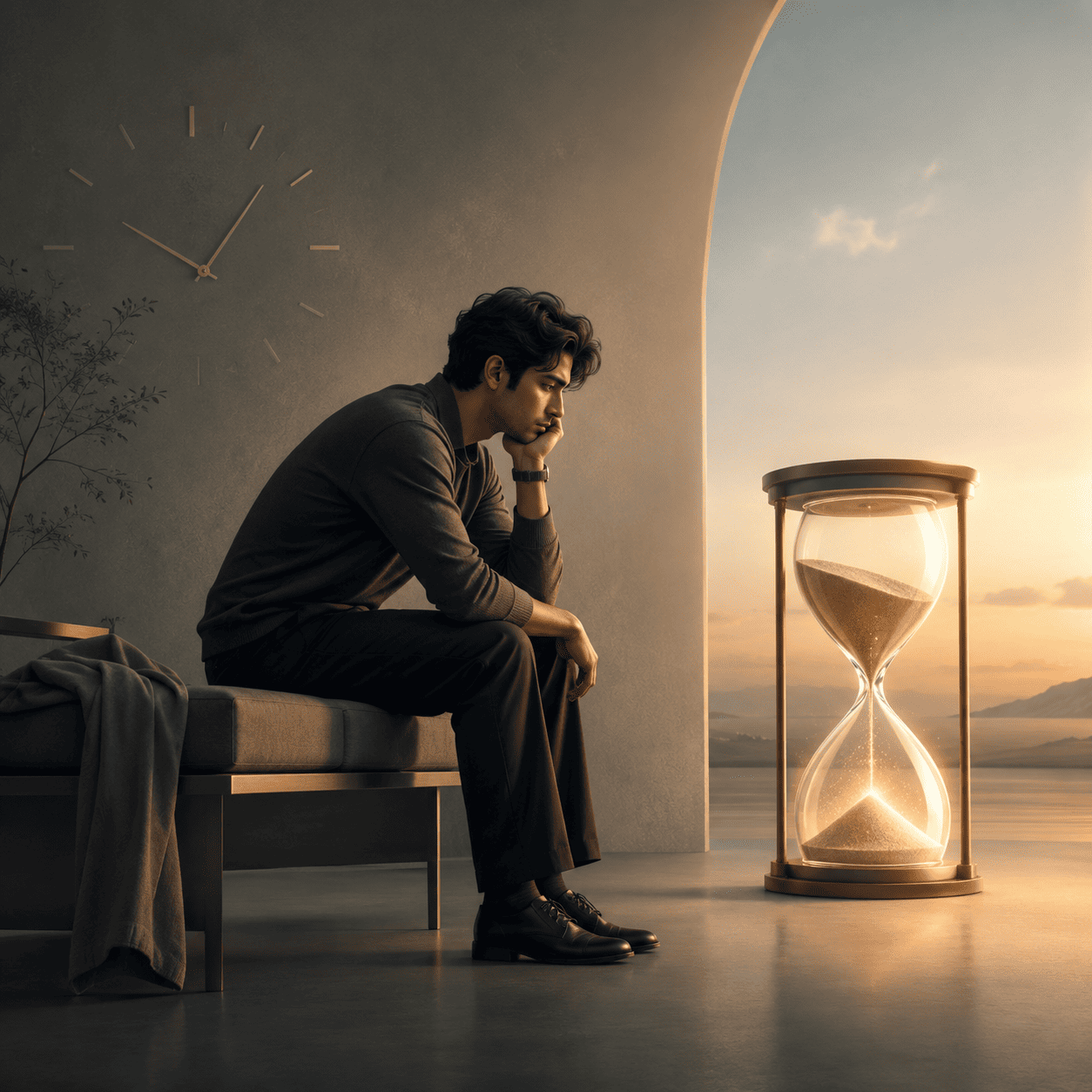
The Psychology of Patience: Why Waiting Feels So Difficult
Waiting is one of the greatest emotional challenges because the human brain naturally seeks immediate certainty and reward. Whether we are waiting for success, healing, love, answers, or change, uncertainty often creates anxiety. Modern life has made patience even more difficult by giving us instant access to information, entertainment, and communication.
As a result, delayed results can feel frustrating or discouraging. Yet many of life's most meaningful achievements require time. Healthy relationships, personal growth, emotional healing, and lasting success rarely happen overnight. Patience is not passive waiting—it is active trust. It means continuing to do what is right while accepting that some outcomes cannot be rushed.
Developing patience strengthens emotional resilience because it teaches us to tolerate uncertainty without giving up hope. Instead of focusing only on the destination, appreciate the person you are becoming during the journey. Growth often happens quietly beneath the surface long before visible results appear.
The ability to remain hopeful, consistent, and emotionally balanced during periods of waiting is one of the strongest signs of psychological maturity.
