
Understanding Attachment Styles: A Guide to Your Relationship Patterns
Have you ever wondered why you react a certain way in close relationships? Or why some people seem comfortable getting close while others keep a distance? These patterns often come from something called attachment styles — deep emotional blueprints formed during childhood that shape how we connect with others throughout life.
What Are Attachment Styles?
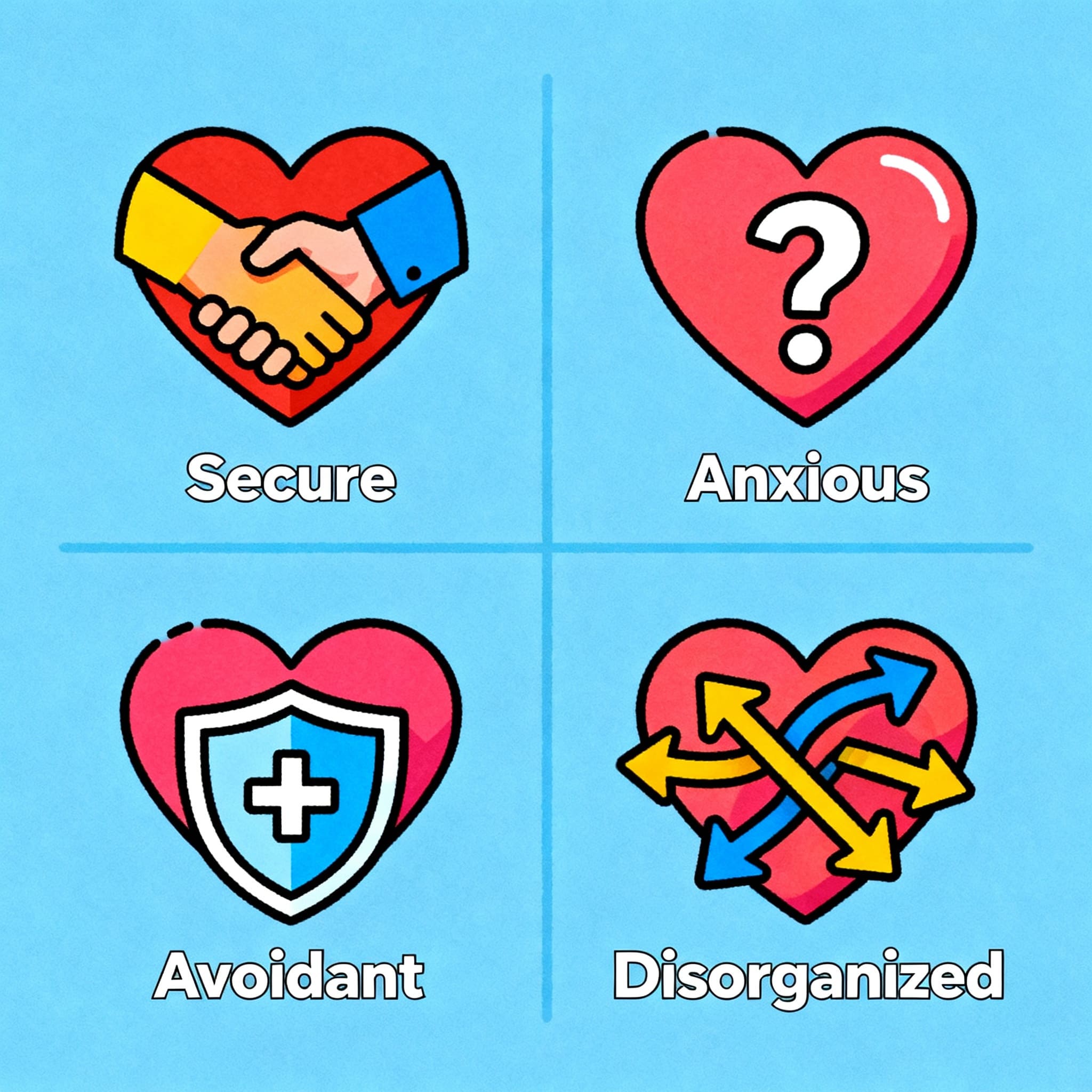
Attachment styles describe how we emotionally bond and interact in relationships, starting from the bond we formed with our caregivers as babies. Psychologists recognize four main attachment styles:
Secure
Anxious (Preoccupied)
Avoidant (Dismissive)
Disorganized (Fearful-Avoidant)
These styles influence our comfort with intimacy, trust, and dependence on others.
The Four Attachment Styles Explained
1. Secure Attachment
People with a secure style generally had caregivers who were warm and consistent. They feel comfortable with closeness and trust, can communicate openly, manage emotions well, and usually have healthy, balanced relationships.
2. Anxious Attachment
This style often arises when caregiving was unpredictable. Anxiously attached people crave closeness but also fear abandonment, leading to behaviors some see as clingy or overly worried about relationships.
3. Avoidant Attachment
Developing from caregivers who were emotionally distant or unresponsive, avoidantly attached individuals value independence to the extent that they often distance themselves from intimacy, preferring self-reliance over closeness.
4. Disorganized Attachment
This style emerges when caregivers were inconsistent or frightening. People with disorganized attachment tend to want connection but also fear it, resulting in confusing or chaotic relationship behaviors.
Why Does This Matter in Adult Relationships?
Your attachment style helps explain many everyday feelings and reactions, like why you might get anxious when a partner doesn’t text back quickly or why you prefer keeping people at arm’s length. Understanding your style can help you:
Recognize patterns that may cause conflict or pain
Communicate needs and boundaries more clearly
Grow toward healthier, more secure ways of relating
Attachment styles are not about blame but about understanding the roots of our emotional lives. They remind us that early experiences shape us but don’t have to limit us.
