
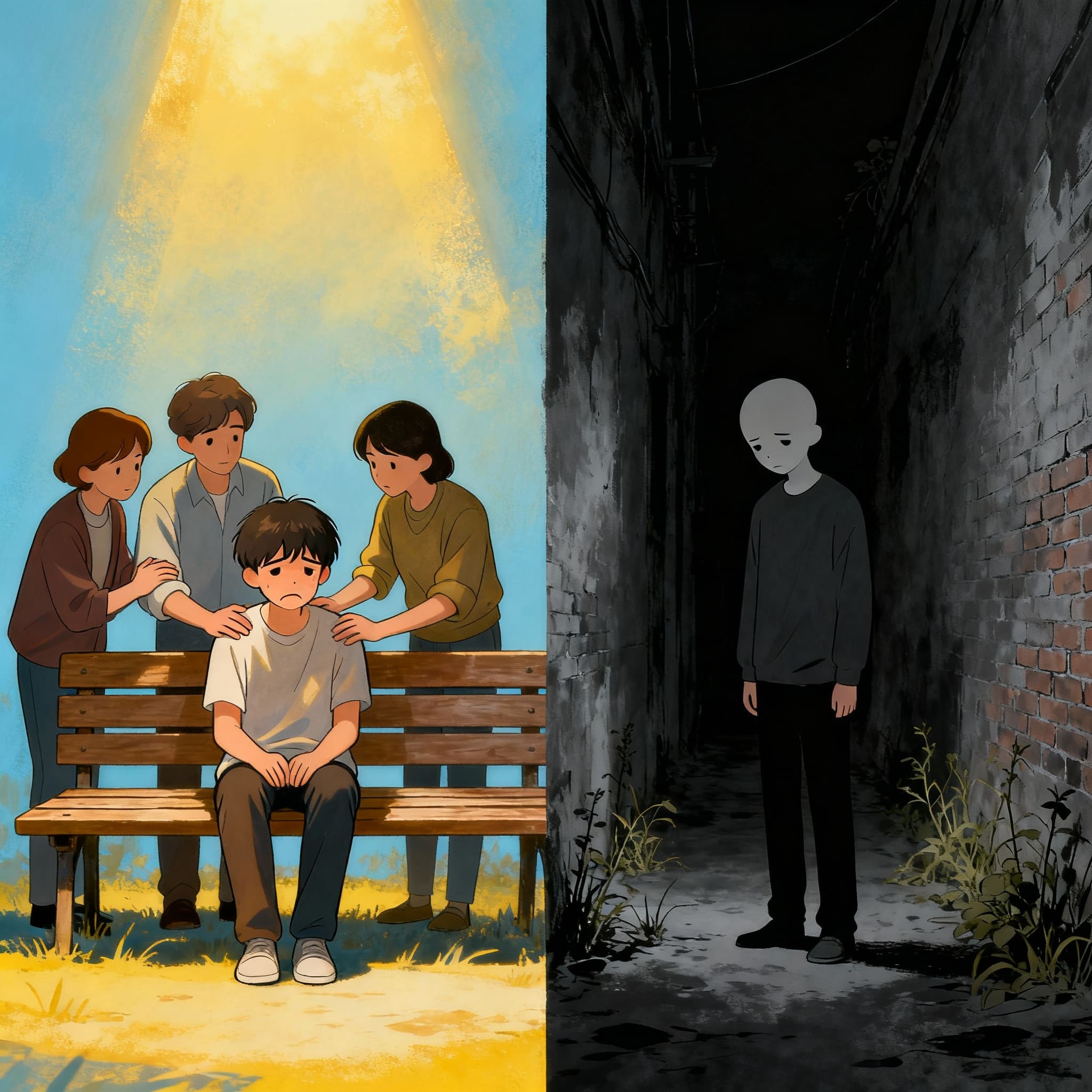
Understanding the Difference: Feeling Depressed vs. Clinical Depression
Many people commonly say “I am depressed” when they actually mean they are sad or feeling down. While sadness is a natural and temporary emotion we all experience, clinical depression is a serious mental health disorder that requires attention and treatment.
Sadness vs. Depression: What’s the Difference?
Sadness is a normal reaction to life’s challenges — like losing a job, facing relationship problems, or experiencing disappointments. It tends to be temporary and usually fades with time or support.
Clinical Depression (often called Major Depressive Disorder) is more severe, lasting at least two weeks with persistent symptoms that interfere with daily functioning.
Common Symptoms of Clinical Depression
Persistent low mood or feeling “empty” most of the day
Loss of interest or pleasure in activities once enjoyed
Fatigue or loss of energy
Changes in sleep patterns (too much or too little)
Difficulty concentrating or making decisions
Feelings of worthlessness or excessive guilt
Thoughts of death or suicide
Why This Distinction Matters
Using “depressed” casually to mean sad can minimize the serious struggles of those with clinical depression. Understanding this difference promotes empathy, reduces stigma, and encourages people experiencing real symptoms to seek professional help early.
What To Do If You’re Feeling “Depressed”
If sadness lasts more than two weeks and disrupts your normal life, consider talking to a mental health professional.
Reach out to trusted friends or family for support.
Remember, depression is treatable—therapy, medication, and lifestyle changes can all help.
Sadness is a part of life, but clinical depression is a medical condition that deserves attention and care. Knowing the difference can save lives.
