
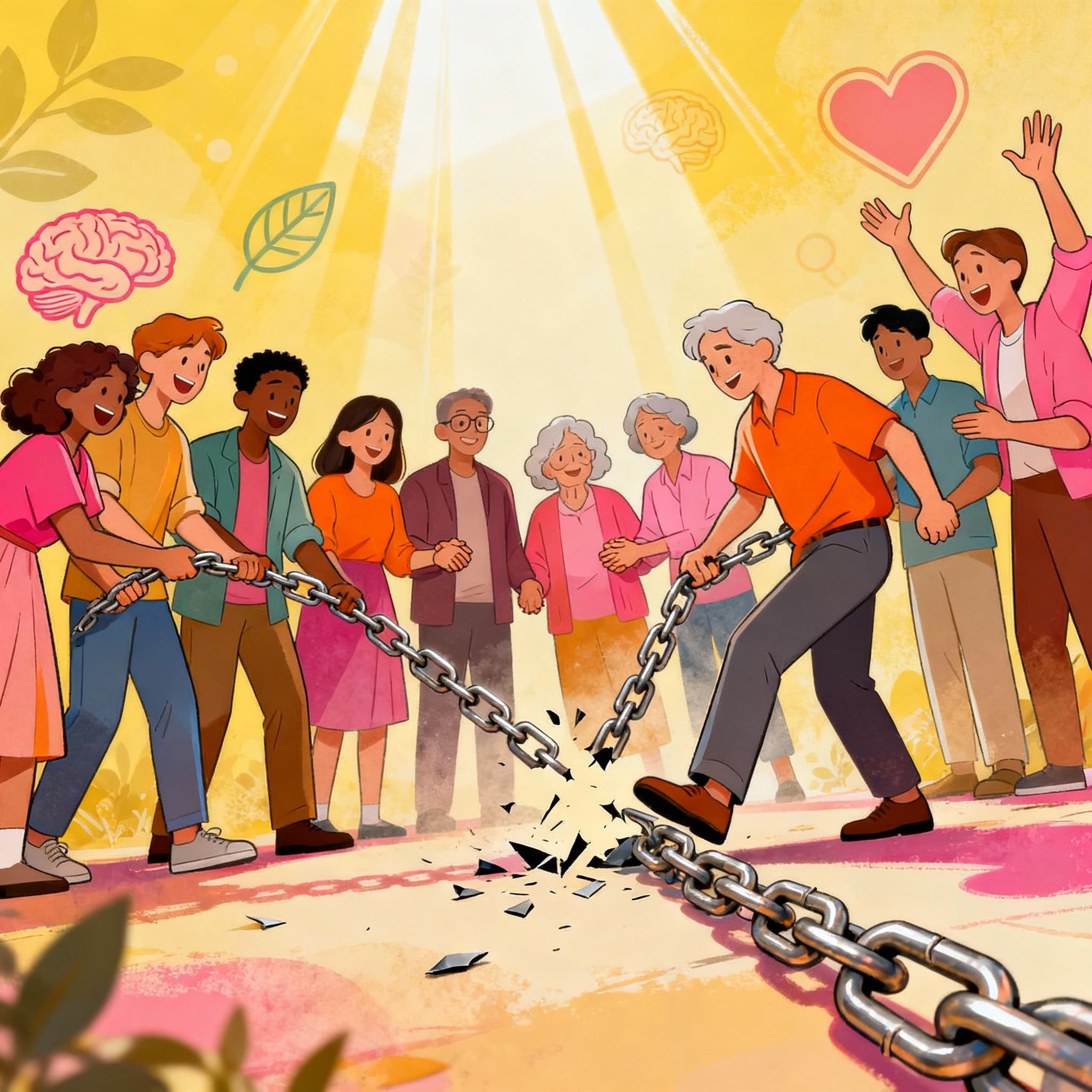
Unmasking Mental Health: Clearing Up Common Myths and Misconceptions
Mental health problems affect millions of people worldwide, yet many still struggle to understand what these conditions really mean. Misunderstandings, myths, and stigma surround mental health, causing confusion and sometimes even fear. Here’s why this lack of understanding happens—and why breaking through it matters for everyone.
Common Reasons for Misunderstanding Mental Health
1. Myths and Misconceptions
Many believe mental health problems are signs of personal weakness or bad character. This is untrue. Mental illnesses are complex and can stem from genetics, brain chemistry, life experiences, and environmental factors. It’s a medical condition, not a moral failure.
2. Invisible Symptoms
Unlike physical injuries, mental health issues aren’t always visible. Someone may look “fine” on the outside but struggle deeply inside, which can lead others to underestimate or dismiss their struggles.
3. Stigma and Fear
Cultural stigma around mental health causes people to hide their symptoms out of shame or fear. This silence perpetuates ignorance and prevents honest conversations.
4. Oversimplification and Misinformation
Media and casual conversations often oversimplify complex psychological conditions or portray them inaccurately, such as equating all mental illness with extreme or dangerous behavior.
The Impact of These Misunderstandings
When mental health isn’t understood, people suffering can feel isolated and hesitate to seek help. Friends, family, and workplaces may unknowingly respond with judgment or neglect, worsening the situation. Misunderstandings also slow down societal progress toward better mental health awareness and care.
How Can We Improve Understanding?
Education: Learning accurate facts about mental health helps replace fear with empathy.
Open Dialogue: Talking openly about mental health normalizes it and encourages support.
Challenge Stigma: Calling out harmful stereotypes reduces shame and builds a kinder culture.
Encourage Help-Seeking: Emphasize that mental health problems are treatable and asking for help is brave.
Understanding mental health requires conscious effort to overcome myths and stigma. Everyone benefits when mental health is respected and supported—from individuals to communities.
